Ledger Login is the authenticated access flow used with Ledger Live and Ledger’s online services. When you connect your Ledger hardware device to the Ledger Live app or a compatible web application, Ledger Login ensures that cryptographic operations — such as signing transactions or authorizing an address — are performed by the secure element inside your device. The application coordinates communication between your computer or phone and the Ledger device while minimizing exposure of private keys.
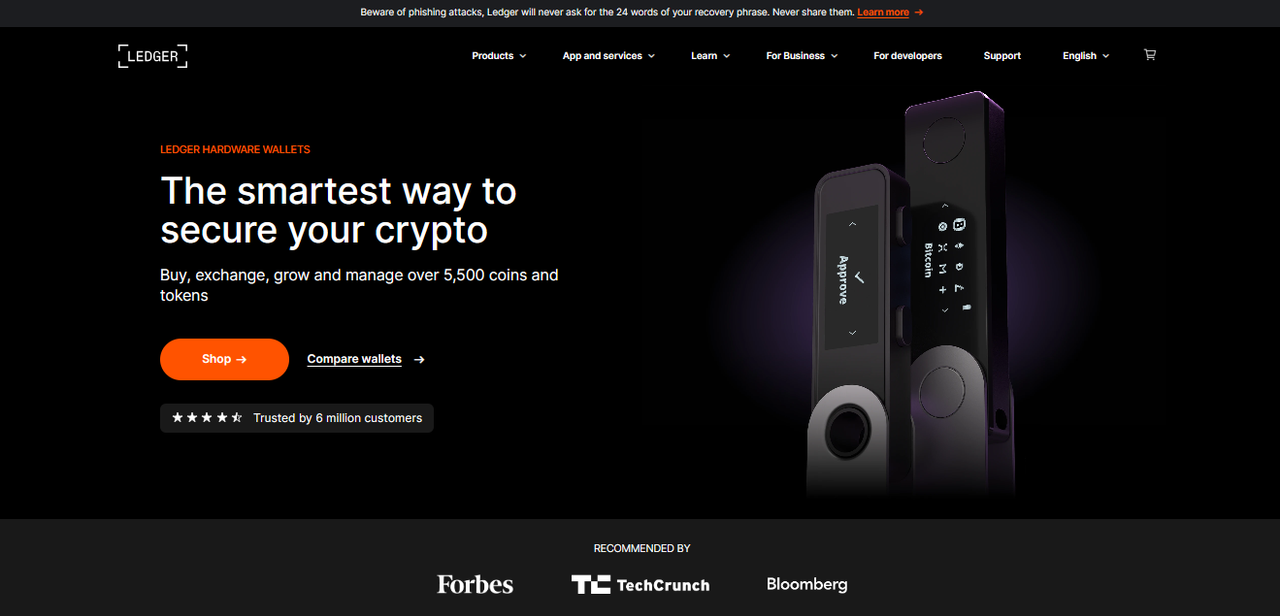
Official Site® | Ledger Login® — Access Your Wallet
This page explains how Ledger Login works, how to securely access your Ledger Live account, and best practices to keep your crypto safe when signing in or transacting.
Platform: Web & App
Security: Hardware-backed
Support: Multi-chain
Overview
Why use Ledger Login?
- Decentralized ownership — You hold your private keys on the device; Ledger isn’t a custodian of funds.
- Strong authentication — Logins and transaction approvals require the physical device and PIN entry, preventing remote compromise.
- Compatibility — Ledger Login is compatible with Ledger Live and many web3 dApps via browser integrations, enabling secure interactions without exposing keys.
How Ledger Login works (simplified)
When you initiate a login or transaction, Ledger Login performs the following steps:
- The application prepares a cryptographic challenge or a transaction object on your computer or mobile device.
- The challenge is sent to your Ledger device via USB or Bluetooth (supported models).
- You verify the details directly on the device screen, then confirm using the device buttons.
- The device signs the challenge with the private key stored in its secure element and returns the signed response. The private key never leaves the device.
- The application uses the signed response to authenticate or broadcast the transaction to the network.
Step-by-step: Logging in with Ledger
- Install Ledger Live — Download Ledger Live for your platform from the official Ledger domain. Always confirm the URL and certificate.
- Connect your device — Plug in your Ledger device with the official cable or pair via Bluetooth if supported. Enter your PIN on the device.
- Open the relevant app — For web integrations, open the website's Ledger Login flow; for Ledger Live, use the built-in login/connection flow.
- Review the prompt — The app will request that you approve a login or sign a message. Read the details carefully on your computer, then verify them on the device display.
- Confirm on device — Use the physical buttons to approve. Without confirmation on the hardware, no signing will occur.
Common use-cases
Secure login to web3 apps
Many decentralized applications use Ledger Login to authenticate you. The app will send a request to sign a message proving ownership of an address; signing that message with your Ledger device completes the login without revealing your private key.
Transaction approvals
Sending cryptocurrency or interacting with smart contracts requires on-device confirmation, ensuring you review gas fees, recipient addresses, and contract calls before signing.
Security best practices
- Only trust the official site — Bookmark Ledger’s official domain and avoid clicking suspicious links in emails or chats.
- Keep firmware and app updated — Updates patch vulnerabilities and add features. Check release notes before updating.
- Never share your recovery phrase — Ledger staff will never ask for it. Treat it as the single most sensitive secret for your funds.
- Verify every transaction — Always read the recipient address and amounts shown on the device screen. Phishing or malware on the host can attempt to substitute addresses.
- Use a dedicated device for large holdings — Consider separate devices for long-term cold storage and daily use to minimize exposure.
Troubleshooting
If your device isn't recognized: check the USB cable and port, try a different cable (official or data-capable), ensure Ledger Live or your browser has the required permissions, and confirm your device firmware is up to date. For Bluetooth issues, consult the device's pairing instructions and your OS Bluetooth settings.
Privacy & data handling
Ledger Login does not transmit your private keys. The service may record minimal metadata to support connectivity and diagnostics (such as app version or device model) depending on your telemetry preferences. Review privacy settings in Ledger Live to control data sharing.
Quick checklist before you sign in
- Confirm you're on the official website (check the URL and TLS certificate).
- Ensure your Ledger device's screen shows the same data as the app.
- Never enter your recovery phrase on a computer or website.
- Use a secure network and avoid public Wi‑Fi when authorizing large transactions.